 MyMAJ
MyMAJ

|
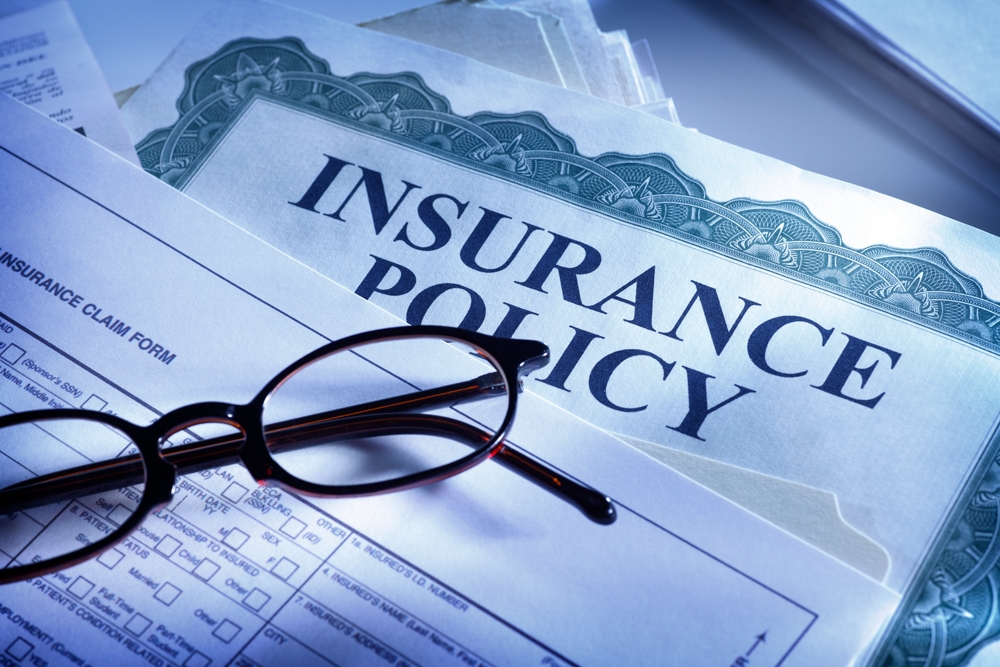
Insurance Company Accountability Insurance bad faith is a term used to describe the failure of an insurance company to fulfill its obligations under an insurance contract in good faith. This can occur when an insurance company wrongfully denies a claim, fails to adequately investigate a claim, delays payment of a valid claim, or engages in other unfair or deceptive practices. In general, insurance companies have a duty to act in good faith towards their policyholders and to handle claims fairly and promptly. When they breach this duty, policyholders may be entitled to recover damages, such as additional financial losses and compensation for emotional distress. Insurance bad faith claims can be complex and often require the expertise of an experienced attorney. The goal of insurance bad faith law is to ensure that insurance companies fulfill their obligations and to provide a remedy for policyholders who have been harmed by the insurance company's actions. Insurance companies often act in bad faith since many consumers will accept their actions instead of utilizing the legal system. They do this by either delaying or denying consumer benefits, in order to create greater company profits. When a consumer decides to pursue the insurance company in court and wins, the insurance company is still at a net gain from all the cases where the consumers did not take legal action. Thus, legislation must be enacted to hold insurance companies liable for acting in bad faith. We strive for greater deterrence against bad faith in order to protect the consumers in Michigan. In 2024, the insurance industry made record profits while increasing premiums across the country. View the report HERE. |
The 7th Amendment The Seventh Amendment to the United States Constitution is part of the Bill of Rights and provides the right to a trial by jury in certain civil cases. The text of the Seventh Amendment reads: "In Suits at common law, where the value in controversy shall exceed twenty dollars, the right of trial by jury shall be preserved, and no fact tried by a jury shall be otherwise re-examined in any Court of the United States, than according to the rules of the common law." The Seventh Amendment ensures individuals have the right to have a jury of their peers decide the facts of their case in certain civil lawsuits rather than having a judge make the decision. The amendment helps to safeguard the rights of citizens and prevent the government from violating an individual's rights through arbitrary or biased judicial decision-making. The Michigan constitution has extended the right to a trial by jury to the state. Overall, the amendment contributes to a fair justice system and must be maintained and protected.
|
|
Auto No-Fault Michigan's "no-fault" auto insurance law is a unique system that requires drivers to purchase personal injury protection (PIP) coverage as part of their car insurance policy. Under this system, drivers are entitled to receive PIP benefits, regardless of who was at fault in an accident, to cover medical expenses and lost wages. A 2019 law was enacted to provide options for cheaper “no-fault” insurance to expand accessibility to all Michiganders. However, the new policy has limited the amount of money and protections consumers receive for serious auto accidents. A 2023 ruling has protected consumers injured before 2019, but there must be more reforms to protect consumers injured after the 2019 law went into place.
|
Medical Malpractice Medical malpractice occurs when a medical professional causes harm to a patient due to negligence in treatment. Medical malpractice attorneys represent clients who have suffered harm due to medical negligence or mistakes made by healthcare providers. They investigate the claim, gather evidence, negotiate settlements, or represent clients in court. They help clients seek compensation for medical expenses, lost income, pain and suffering, and other damages related to the malpractice. Recent studies have found medical malpractice to be America's third leading cause of death. Numerous cases of preventable harm contribute to the death count in hospitals. However, the medical profession is more protected against negligence than any other profession. The laws in place restrict the rights of patients who are malpractice victims while protecting the doctor. Current Michigan law sets a lower cap of $537,900 and an upper cap of $960,500 for non-economic damages. The upper cap includes a list of degenerating conditions, while the lower cap includes any other medical malpractice injury, including death. |
|
Workers’ Compensation Worker’s compensation is a system that is invoked which allows injured workers to file claims and receive compensation in the case of a work-related injury. In turn, the worker renounces the right to sue their employer. Workers' compensation attorneys represent employees who have been injured or become ill due to their job. They help clients navigate the workers' compensation system and ensure that their rights are protected. This includes filing claims, appealing denied claims, negotiating settlements, and representing clients in court if necessary. Workers' compensation attorneys help clients obtain benefits such as medical expenses, lost wages, rehabilitation services, and other related costs. They work to ensure that clients receive the full compensation they are entitled to under the law. The workers’ compensation system has many drawbacks that work against the interests of the injured employee. The system protects employers against legal action and leaves many decisions to insurance companies. One major issue with the system is regarding independent medical examinations. These intend to act as fair and neutral exams ordered by the insurance company, but in practice, many doctors work against the injured worker to benefit the insurance company. In many instances, this leads to lost benefits and treatments for the worker. Long delays in benefits are another prominent issue. These delays lead to setbacks in obtaining treatment, which causes additional harm. The system needs reforms to prevent these issues and provide fairer protection for Michigan workers. |
Employment Law Employment lawyers represent employees or employers in legal disputes related to the workplace. They assist clients with issues such as wrongful termination, discrimination, harassment, wage and hour disputes, non-compete agreements, and other employment-related matters. They may provide advice on employment contracts and workplace policies, help negotiate settlements, and represent clients in court. Employment lawyers aim to protect the rights and interests of their clients and ensure that they are treated fairly in the workplace. It is our goal to support employment lawyers and fight to maintain fair employment laws and practices in the state of Michigan. |
|
Products Liability Product liability refers to the legal responsibility of a manufacturer, distributor, or seller of a product for any harm caused by that product. This can include physical harm to a person, property damage, or economic losses. In a product liability case, the plaintiff must show that the product was defective in design, manufacture, or labeling and that the defect was the direct cause of the harm suffered. Product liability law can apply to a wide range of products, including consumer goods, medical devices, prescription drugs, and more. Product liability law aims to hold those in the chain of commerce accountable for injuries caused by the products they sell to compensate those who have been harmed. Under the drug category, Michigan holds the nation’s strictest product liability law. The Product Liability Act established that if a drug causes harm to a resident, but was approved by the FDA, then the resident is unable to file a civil suit against the drugmaker. These drug companies influence the FDA, which puts the public’s health and safety at risk.
|
Premises Liability Premises liability is a legal concept that holds property owners responsible for injuries or harm suffered by visitors on their property. The property owner has a duty to maintain their property in a safe condition and to warn visitors of any known hazards. If a visitor is injured due to the owner's failure to fulfill this duty, the owner may be liable for the visitor's damages, including medical expenses, lost income, and pain and suffering. Premises liability cases can arise from a variety of circumstances, including slip and fall accidents, inadequate security, and other types of injuries that occur on someone else's property. Now, in Michigan, property owners are responsible for alerting an invitee when there is an “open and obvious” hazard. This expands the duty of the property owner to maintain their premise and thus expands the rights of an injured plaintiff to sue for damages. The specific duties and responsibilities of a property owner can vary depending on the type of visitor and the reason for their visit. It is imperative that we work to maintain and expand the rights of injured citizens in this realm. |






News
READ MORE{{#if blogEntries}} {{#blogEntries}}
- {{#if featuredimages.homepage}} {{featuredimages.homepage.url}}{{else}} /userassets/MI/MI/userimages/DefaultBlogImage.jpeg{{/if}}
- {{moment articleDate format='MMM DD, YYYY'}}
-
{{truncate blogTitle 100}}